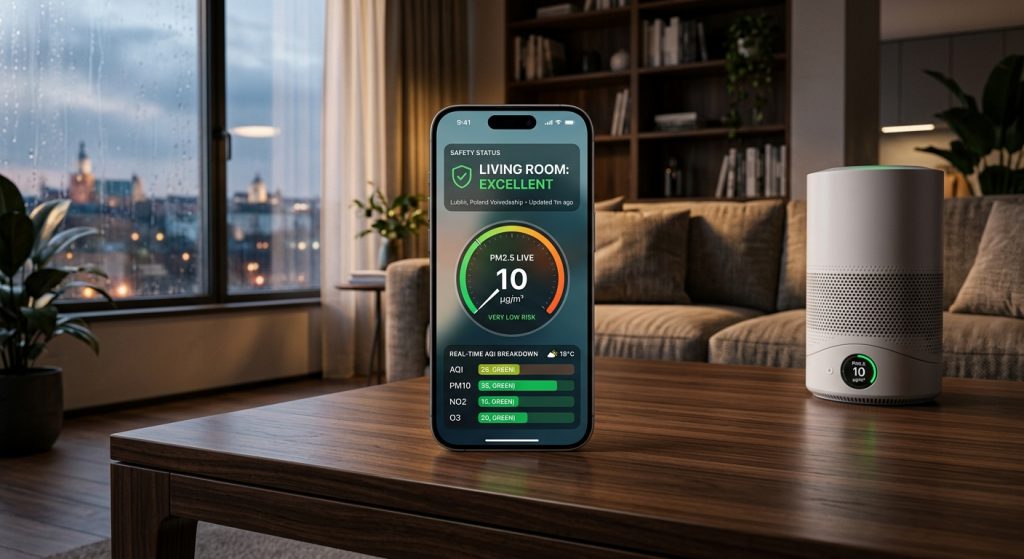
Misinformation about air pollution can be incredibly dangerous for anyone managing asthma or other sensitive respiratory conditions.
Managing asthma requires accurate PM2.5 data, yet many people rely on outdated pollution myths. By setting custom weather alerts for exact AQI thresholds, you can easily avoid asthma triggers before they cause a reaction. Therefore, distinguishing fact from fiction is the first step toward breathing easier.
Is looking at the sky enough to detect PM2.5 warning signs?
No, visually checking the sky cannot detect PM2.5 particles because they are microscopic and often entirely invisible. Instead, you need live weather radar and precise sensor data to track these hazardous pollutants accurately.
For example, high humidity or fog can completely mask severe pollution. Therefore, relying on your eyesight is dangerous for asthma sufferers. In addition, checking home screen weather widgets provides immediate, factual data without guesswork. As a result, you always know exactly what you are breathing.
Do standard apps send immediate AQI push notifications?
Most standard tools only provide daily summaries rather than real-time air quality push notifications. Specifically, you must configure custom weather alerts to receive immediate warnings when local PM2.5 levels spike dangerously high.
Because generic apps often lack microclimate data, downloading a specialized tool like Weather Alerts: Radar Tracker is crucial. Similarly, these basic apps rarely offer customizable thresholds. Consequently, asthma sufferers miss critical safety windows when pollution rolls in unexpectedly.
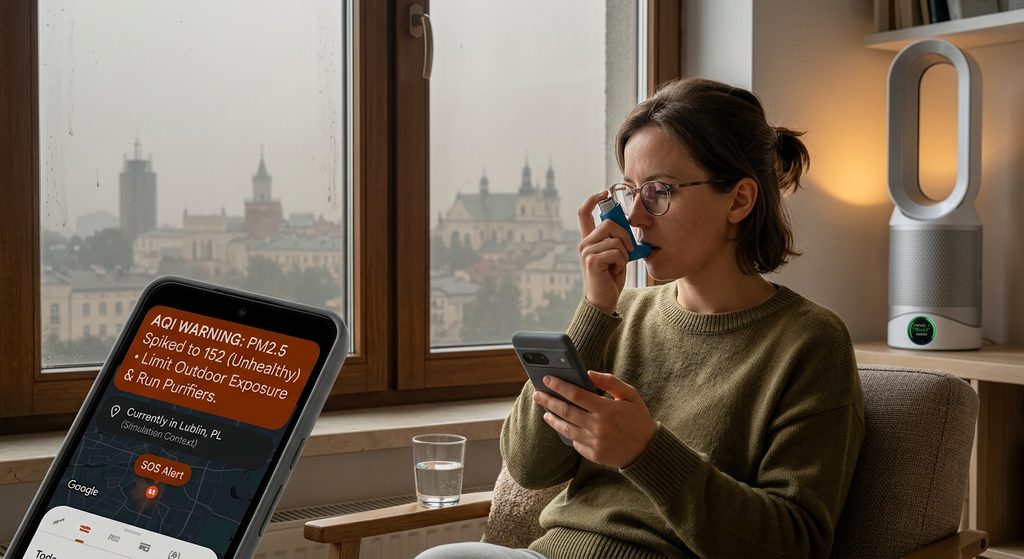
Are indoor spaces always safe during severe weather warnings for smog?
Indoor spaces are not automatically safe during severe smog because fine PM2.5 particles easily penetrate poorly sealed buildings. Consequently, running air purifiers alongside active air quality monitoring is essential for true asthma protection.
Still, many people assume closing the door is enough. However, you should always check your local readings before turning off air filtration systems. Next, compare your indoor comfort with outdoor data to maintain a safe environment.
| AQI Level | Health Risk | Recommended Asthma Action |
|---|---|---|
| 0 – 50 | Good | Normal outdoor activities are safe. |
| 51 – 100 | Moderate | Unusually sensitive individuals should limit exertion. |
| 101 – 150 | Unhealthy for Sensitive Groups | Asthma sufferers must reduce outdoor exposure. |
| 151+ | Unhealthy to Hazardous | Stay indoors, run purifiers, and monitor alerts. |
Can I customize weather alerts for specific asthma triggers?
Yes, advanced radar apps allow users to set precise custom weather alerts for exact AQI and PM2.5 thresholds. Because of this, you can receive a push notification with sound the moment air quality drops.
For instance, you can use Quiet Hours / Active Hours to silence general updates while keeping critical emergency warnings active. Finally, reviewing weather alert guides on our blog can help you optimize these specific settings further.
- Identify your personal PM2.5 sensitivity threshold.
- Set up custom weather alerts for AQI spikes over 100.
- Enable push notifications to receive immediate severe weather warnings.
- Add home screen weather widgets for quick daily air quality checks.
- Install the tracker today: download Weather Alerts on your preferred device.
- Available now for iOS on the App Store and Android on Google Play.